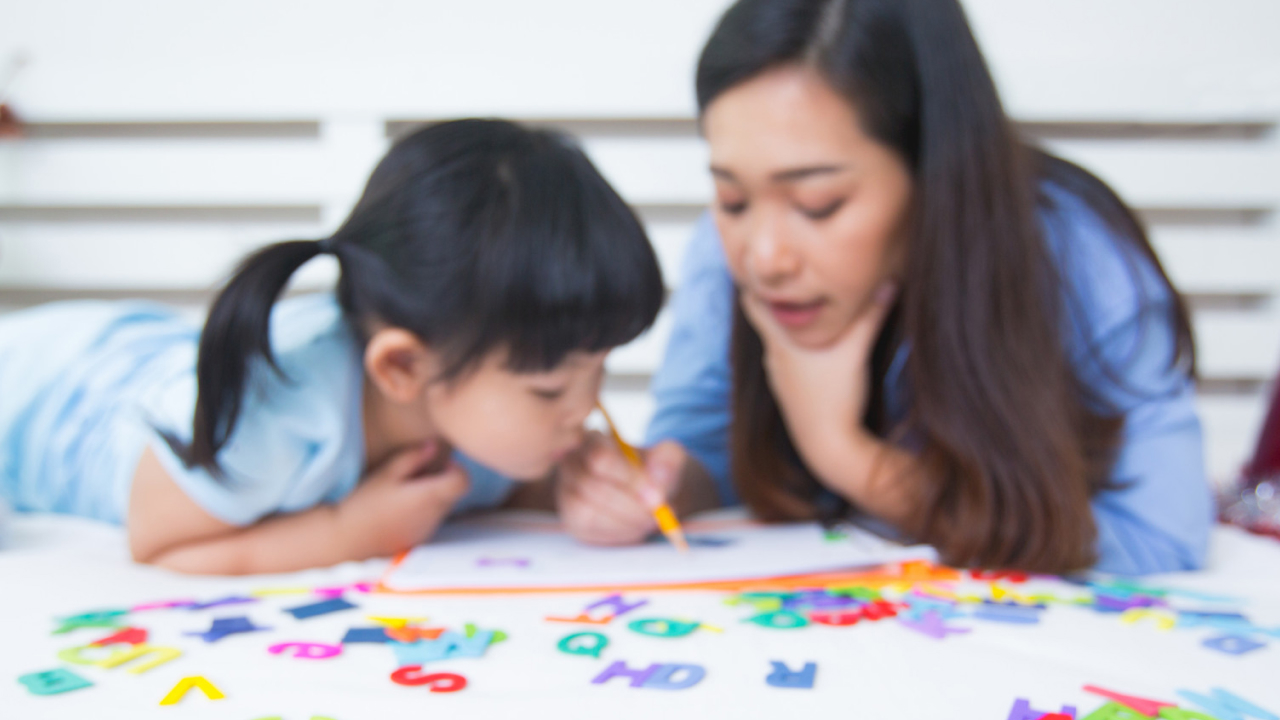
Introduction: Unlocking Literacy: The Joyful Path to Teaching ABCs Through Play
The journey into literacy begins long before formal schooling, with the recognition and understanding of the alphabet. For young children, learning the ABCs is not merely about memorizing twenty-six symbols; it's about unlocking a foundational key to reading, writing, and a lifelong love of learning. While traditional methods might suggest flashcards and repetitive drills, modern early childhood education research overwhelmingly points to a more effective, engaging, and enjoyable approach: play-based learning.
At Koala Learners, we firmly believe that learning should be an adventure, filled with curiosity, discovery, and joy. This article will delve into why teaching ABCs through play is not just fun, but scientifically sound. We'll explore the cognitive benefits of play-based learning and provide a wealth of creative, hands-on activities that parents and caregivers can easily implement at home to transform alphabet recognition into an exciting game. Prepare to discover how to make letter learning an unforgettable and deeply effective experience for your little one!
The Science of Play: Why Play-Based Learning is Superior for Early Literacy
The effectiveness of play-based learning for young children is not anecdotal; it is deeply rooted in child development psychology and neuroscience. When children engage in play, their brains are highly active, forming and strengthening neural connections crucial for learning. Here's why play is the optimal pathway to early literacy:
Intrinsic Motivation and Natural Curiosity
Children are naturally curious explorers. Play taps into this innate drive, transforming learning from a chore into a self-directed, enjoyable activity. When a child chooses to engage with letters through a game, they are intrinsically motivated, leading to deeper engagement, greater persistence, and more meaningful retention of information. This contrasts sharply with rote memorization, which often lacks internal drive and can lead to burnout.
Multi-Sensory Engagement for Deeper Retention
Play naturally involves multiple senses. When learning letters through play—touching textured letters, singing alphabet songs, seeing letter shapes, or physically forming letters—children engage their visual, auditory, tactile, and kinesthetic senses simultaneously. This multi-sensory input creates stronger, more diverse pathways in the brain, making it easier for children to recall and recognize letters and their sounds in various contexts.
Low-Stress, High-Impact Learning Environment
Traditional drills can often induce stress and anxiety, especially in young learners who may fear making mistakes. Play, by its very nature, is low-stakes and forgiving. It creates a safe space for experimentation and learning from errors without judgment. In a relaxed state, the brain is more receptive to new information, making the learning process more efficient and enjoyable.
Developmentally Appropriate Learning
Young children learn best through concrete experiences and hands-on manipulation, not abstract concepts. Play-based activities align perfectly with this developmental stage. They allow children to physically interact with letters, build them, find them, and hear them in meaningful contexts, which is far more effective than simply looking at symbols on a page.
Holistic Skill Integration
Teaching ABCs through play doesn't just foster literacy; it simultaneously develops a wide range of other essential skills:
- Fine Motor Skills: Holding crayons, manipulating playdough, cutting paper for collages.
- Gross Motor Skills: Jumping to letters, building letter shapes with their bodies.
- Cognitive Skills: Problem-solving (e.g., finding a hidden letter), memory, pattern recognition.
- Social-Emotional Skills: Sharing materials, taking turns, communicating during cooperative games.
Creative & Engaging Activities: Bringing the ABCs to Life at Home
You don’t need a classroom full of expensive materials to create a vibrant alphabet learning environment. Many of the most effective activities can be done with everyday items, a little creativity, and a willingness to play alongside your child. Here are some diverse ideas to inspire you:
Active Movement & Gross Motor Play
Incorporating movement helps children burn energy, improve coordination, and reinforces learning through physical action.
- Alphabet Hopscotch: Draw large letters on the ground with chalk (or use paper letters indoors). Call out a letter or its sound, and have your child hop to it.
- Letter Scavenger Hunt: Write letters on sticky notes or small cards and hide them around the house or yard. Give your child a specific letter to find, or have them collect all the letters and then identify them.
- Build Letters with Your Body: Encourage your child to use their body to form letter shapes (e.g., lying straight for "I," bending arms for "C"). You can do this together!
- Alphabet Obstacle Course: Integrate letters into a simple obstacle course. "Crawl under the 'A'," "Jump over the 'B'," "Find the 'C' hidden under the blanket."
Sensory Exploration & Fine Motor Development
Engaging multiple senses, especially touch, creates memorable learning experiences and strengthens fine motor skills essential for writing.
- Sand, Salt, or Shaving Cream Tray: Spread a thin layer of sand, salt, rice, or shaving cream in a shallow tray. Have your child trace letters with their finger, talking about the letter name and sound as they form it.
- Playdough Letters: Roll playdough "snakes" and use them to form letters. This is fantastic for developing hand strength and dexterity.
- Felt or Sandpaper Letters: Create or purchase letters made from different textures. Have your child close their eyes and feel the letter, guessing what it is.
- Letter Excavation: Bury plastic letters or letter cut-outs in a sensory bin filled with dried beans, pasta, or water beads. Provide scoops and brushes for digging them out, then identify them.
Art & Crafty Creations
Art activities provide a creative outlet while reinforcing letter recognition and fine motor skills.
- Letter Collage: Give your child a large cut-out of a letter (e.g., "A"). Have them glue small pictures or magazine clippings of items that start with that letter onto it, or simply use different materials to decorate the letter.
- Q-Tip Painting Letters: Write large letters on paper and have your child trace them using a Q-tip dipped in paint.
- Letter Stamping: Use letter stamps with ink pads or paint to stamp letters onto paper. You can focus on stamping a specific letter multiple times or spell out simple words.
- Nature Letters: Go on a nature walk and collect twigs, leaves, pebbles. Use these natural items to form letters on the ground or a piece of paper.
Musical & Auditory Play
Music and sound are powerful tools for memory and can help children learn letter sounds (phonological awareness).
- Alphabet Songs & Chants: Beyond the traditional "ABC song," explore other alphabet songs that focus on letter sounds. Make up your own simple rhymes or chants for letters.
- "I Spy" with Letter Sounds: Instead of "I spy with my little eye something blue," try "I spy with my little eye something that starts with the /b/ sound." This helps develop phonological awareness, a critical pre-reading skill.
- Initial Sound Matching: Lay out a few objects or picture cards. Say a letter sound and ask your child to find the object that starts with that sound (e.g., /t/ for "tree").
Storytelling & Pretend Play with Letters
Integrating letters into narratives and imaginative play makes learning meaningful and contextual.
- Letter Puppets: Create simple puppets by drawing letters on craft sticks. Use them to put on a "letter show," introducing each letter and its sound.
- Alphabet Story Creation: Start a story with a word that begins with "A," then have your child contribute a sentence with a word starting with "B," and so on.
- Interactive Alphabet Books: When reading alphabet books, point to the letter, say its sound, and emphasize words in the book that start with that letter. Encourage your child to find other items on the page that start with the same sound.
Tips for Parents: Maximizing Play-Based Alphabet Learning
While providing engaging activities is essential, how you approach these learning moments can make an even bigger difference in fostering a child's love for letters. Here are some key tips for parents:
Follow Your Child's Lead
The most effective play-based learning is child-led. Pay attention to your child's interests and energy levels. If they're particularly engrossed in a train game, incorporate letters into that. If they lose interest, it's okay to switch activities or take a break. Forcing learning can quickly turn fun into frustration.
Keep it Short & Sweet
Young children have short attention spans. Aim for frequent, short bursts of learning (5-15 minutes) rather than long, drawn-out sessions. These small, consistent exposures add up over time and are more effective than infrequent, lengthy ones.
Integrate into Daily Routines
Letters are everywhere! Point them out on cereal boxes at breakfast, street signs during a walk, or labels at the grocery store. Turn everyday moments into learning opportunities by asking, "What letter is that?" or "What sound does that letter make?"
Focus on Sounds, Not Just Names
While knowing letter names is important, understanding letter sounds (phonological awareness) is crucial for reading. Emphasize the sound each letter makes (e.g., "This is the letter M, and M says /m/ as in 'mommy'") more often than just its name.
Celebrate Effort, Not Perfection
Praise your child's effort and engagement, regardless of whether they get every letter right. "You worked so hard to find all the letters!" or "I love how you tried to make that 'S' with your playdough!" builds confidence and encourages them to keep trying.
Avoid Pressure, Foster Joy
The goal of early literacy is to build a positive relationship with learning. Avoid turning alphabet activities into tests or chores. Keep the atmosphere light, fun, and supportive. Remember, every child's developmental timeline is unique.
Conclusion: Building a Solid Foundation for Lifelong Reading Success
The journey to literacy is one of the most exciting adventures a child undertakes, and it doesn't have to be a daunting one. By embracing play-based learning, parents and caregivers can transform the abstract concept of the alphabet into a vibrant, interactive, and deeply meaningful experience for their children. This approach not only makes learning fun but also aligns perfectly with how young brains are wired to absorb and process new information.
Through active movement, sensory exploration, creative expression, and joyful interaction, children build strong neural connections that solidify their understanding of letter names, shapes, and crucial phonetic sounds. These early, positive experiences lay a robust foundation for phonological awareness, phonics, and ultimately, reading fluency. At Koala Learners, we are passionate about providing tools and ideas that foster this kind of joyful, effective learning. By prioritizing play, patience, and positive reinforcement, you are not just teaching the ABCs; you are igniting a lifelong passion for discovery and empowering your child to become a confident, eager reader and learner.